
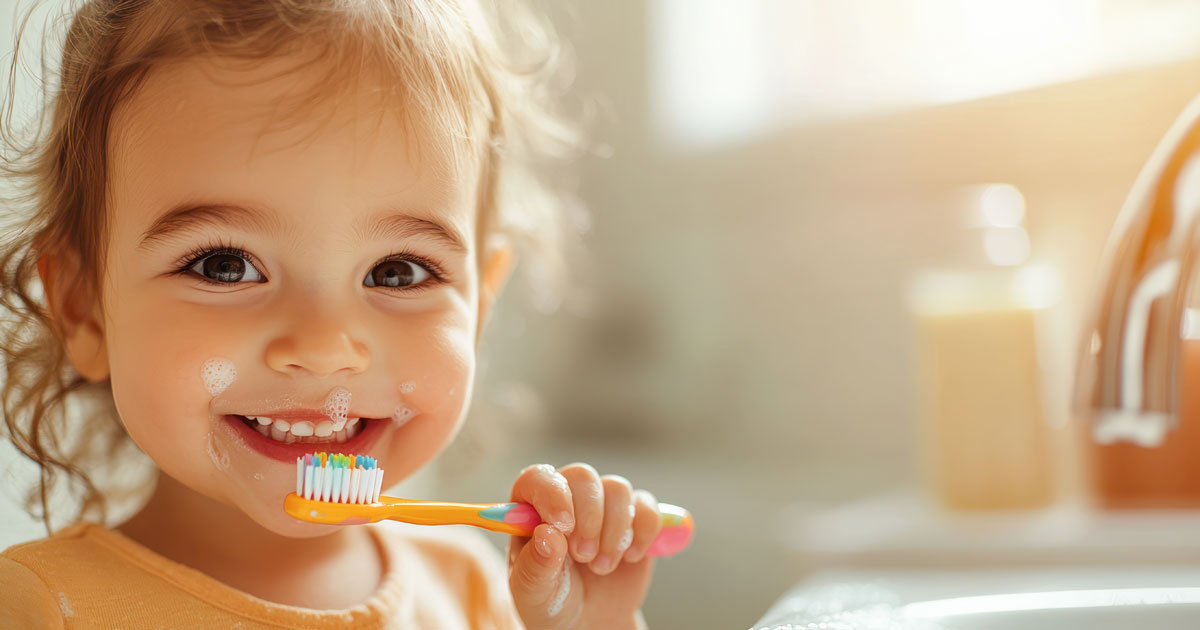
Little Teeth, Big Milestones: A Parent’s Guide to Healthy Smiles
At Vision Dental, we know there’s nothing quite like watching your child grow—from first giggles and first steps to the moment that first tiny tooth appears. Simple daily habits that help protect your child’s smile—now and for years to come.
Good oral health isn’t just about avoiding cavities (though that matters). It also supports comfortable eating, clear speech, and healthy routines that can last a lifetime. Below are key dental milestones from babyhood through the school years, plus practical tips you can use at home.
Before the First Tooth: Setting the Stage (0-6 months)
Oral care can start before teeth arrive. Even without teeth, your baby’s mouth can collect bacteria, and early routines help your child feel comfortable with oral care as they grow.
Try gently wiping your baby’s gums with a soft, damp cloth after feedings—especially before bedtime. It’s quick, soothing, and helps build consistency.
It’s also smart to avoid sharing spoons or “cleaning” pacifiers with your mouth, since this can transfer cavity-causing bacteria from adults to babies. And if your baby falls asleep with a bottle, choose carefully—milk, formula, and juice can increase the risk of early tooth decay once teeth appear. If comfort feeding is needed, talk to your pediatrician or dentist about the safest options.
First Teeth Appear: The Exciting New Chapter (6-12 months)
That first tooth is a big moment—and it marks the start of brushing. Most babies get their first tooth around 6-10 months, but every child is different.
As soon as you see a tooth, start brushing twice a day with a soft infant toothbrush and a tiny smear of fluoride toothpaste (about the size of a grain of rice). Gentle brushing helps remove plaque as new teeth emerge.
Teething can be uncomfortable, so cold teething rings, a chilled washcloth, or gentle gum massage may help. If you’re considering teething gels or remedies, check with a healthcare professional first.
This is also a great time to plan your child’s first dental visit. A commonly recommended milestone is by age 1, or within six months of the first tooth coming in. Early visits are usually simple and prevention-focused, helping your child get familiar with dental care while you get guidance on brushing, diet, and development.
Toddler Smiles: Building Consistency (1-3 years)
Toddlers are full of opinions—and brushing can turn into a daily negotiation. The good news is this stage is one of the most important for building habits.
By age 3, many children have all 20 baby teeth. Even though they’re temporary, they still matter for chewing, speech development, and holding space for adult teeth.
Brushing should still be parent-led (or closely supervised). Toddlers don’t yet have the dexterity to clean thoroughly, especially around back molars. Aim for twice-daily brushing with a small smear of fluoride toothpaste, and introduce flossing once teeth touch.
To make brushing easier, keep it fun and predictable:
- Let them choose the toothbrush color
- Use a two-minute song or timer
- Create a simple sticker chart for consistency
- Brush together so they can copy your routine
Diet plays a bigger role now, too. Sugary drinks and sticky snacks can increase cavity risk, especially when offered frequently. Tooth-friendlier options include cheese, yogurt, crunchy fruits and veggies, and water between meals. Regular checkups also help monitor development and keep kids comfortable with dental care.
School-Age Changes: Loose Teeth and New Routines (6-12 years)
Around age 6, the “mixed dentition” phase begins—meaning baby teeth and adult teeth are in the mouth at the same time. This stage can be exciting, a little weird, and sometimes tricky to keep clean.
One milestone many parents don’t realize is that the first adult molars often come in behind the baby teeth—so your child might not lose a tooth first. These “six-year molars” can be more vulnerable to cavities because they arrive quietly and have deep grooves.
Brushing and flossing become even more important during this stage, especially around new molars and shifting teeth. Kids may want more independence, but they still benefit from reminders and quick check-ins—especially for nighttime brushing. In some cases, dental sealants may be recommended to help protect new molars.
The Big Picture: Healthy Habits That Last
Small habits, repeated daily, really add up. The goal isn’t perfection—it’s consistency, support, and positive routines that stick.
Every child’s timeline is different, but the milestones are worth celebrating:
- Clean gums early
- Brush as soon as the first tooth appears
- Keep brushing parent-supported through toddlerhood
- Stay consistent during the school-age tooth-transition years
If you’d like guidance based on your child’s age, habits, or dental development, the team at Vision Dental is here to help. We’d love to support your family in building healthy routines and keeping those growing smiles bright.